

If you've bought a baby walker and know your little one isn't keen on it, don't worry. You're not alone. This is a common experience many parents have had (ourselves included): their baby refuses to use the walker, even if they were excited and happy when they first got it. Understanding why this happens and what to do about it can make all the difference. In this post, we'll explore why some babies avoid walking and give you some practical strategies to help them get moving. We'll also cover other options that might be more appealing to your baby and explain why using the best product can make the process more enjoyable for both you and your little one.
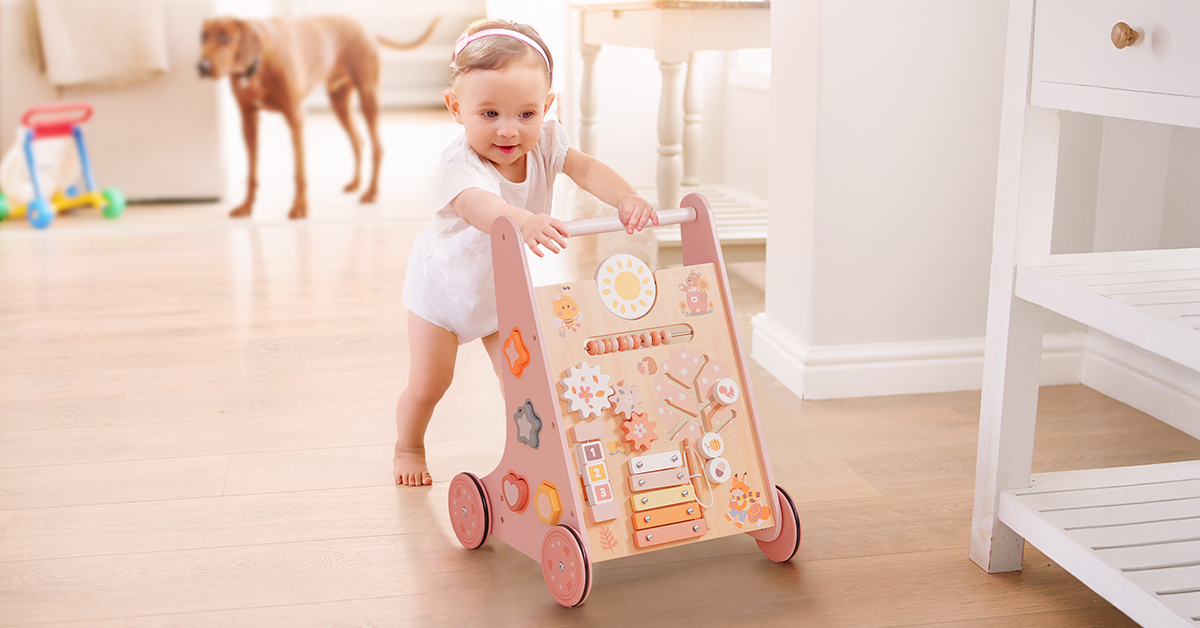
My baby doesn't like the walker - But why?
Just remember that babies have different personalities and preferences; not all babies will love a baby walker. There can be several reasons why a baby might reject it, but here are some of the most common:
Discomfort
Occasionally, babies don't enjoy the feeling of being confined in a walker. They may find it uncomfortable, especially if they feel restricted and can't jump or move around. The walker's support, intended to encourage balance, can even feel like an obstacle, particularly if they prefer to crawl or walk without their movements being restricted. Furthermore, the fabric used can be too rough and may start to scratch your baby's skin; with some walkers, they have also been known to sit uncomfortably.
Limited Mobility
Babies who enjoy crawling will also reject walkers, as they'll feel the device restricts their freedom of movement. They might become frustrated because the walker doesn't allow them to go where they want to go as quickly as they can crawl. That's a good thing, except that babies like to assert their independence fairly early, and a walker can be a nuisance as they try to discover the world.
Fear of New Experiences
Babies, just like adults, can be wary of new things. The walker itself can be strange and intimidating in its own right, especially if they're completely new to it. Babies are at a stage in their lives where they're afraid of trying new things, and this could just be one of those times. The feeling of being in the walker and not quite knowing how to move or get around could stress your baby out.
Development of Motor Skills
Some babies may not be developmentally ready for a walker. Some babies start using walkers as early as 6 months old. However, some may not have the strength or coordination to fully enjoy it. If your baby isn't ready for a walker, they won't be able to use it comfortably (or safely). It's also important to note that some babies learn to walk later than others, which can affect how they use the walker.
Overstimulation
Another reason your baby might not want to be in the walker is that they are overstimulated. Some walkers have many lights, sounds, and moving parts that might initially be fun for your baby, but are potentially overstimulating. Babies' sensory systems are delicate, and extra stimulation can sometimes overwhelm them, which can cause frustration and even avoidance.
What Can You Do If Your Baby Hates the Walker?
So, now that we've looked at some common reasons why your baby might be rejecting the experience of being in the walker, let's talk about what you can do about it below:
Start Slowly
If your baby is just starting out with a walker, don't insist on long periods of use. Begin with short bursts and gradually increase the time. You can place your baby in the walker for 5-10 minutes to ensure positive and enjoyable sessions. Consider putting their favorite toys in the walker to make it more interesting. Even placing a mirror or their reflection in front of them can inspire curiosity and play.
Adjust the Walker's Features
Make sure the walker is adjusted correctly for your baby's comfort. Some walkers have multiple height settings, meaning you can adjust the walker so your baby's feet touch the ground properly. Having their feet too high or too low in the walker can frustrate your baby, so fine-tuning the setting is probably your best option. Also, make sure the walker's seat is comfortable and made of soft, breathable material to keep your baby at ease.
Use Positive Reinforcement
Encourage your little one by celebrating small milestones. Give praise and positive reinforcement if they take a few steps or show interest in the walker. This will make the walker enjoyable and encourage them to use it more often. Create a fun and playful atmosphere around the walker by clapping or speaking soft words of encouragement that allow your baby to associate the walker with entertainment and applause.
Ensures a Proper Fit
Test the fit of the walker to make sure it's not too tight or loose. Babies are growing creatures, and as their legs lengthen, they'll no longer be comfortable in a walker that felt just right a few weeks ago. A secure and comfortable fit will help your baby feel more confident and less likely to struggle. Pay attention to any straps or padding that might rub against your baby's skin. If necessary, adjust the straps as well to prevent them from being too tight or loose.
Try a Different Walker
If your baby isn't yet keen on using a walker, it might be time to choose a different model. Some walkers are more comfortable and offer better support. For example, some walkers have padded seats or extra legroom, which could make a world of difference for your baby. Additionally, walkers with a wider base can provide more stability and a safer experience for your baby to practice walking, hopefully helping them feel more confident.
Just be patient and try again later.
Babies sometimes need a little time to get used to something new. If your child doesn't like the walker, don't force it. Take a break and try again in a few days. It's worth noting that some babies may prefer a different type of mobility aid, so give them time and space to develop at their own pace.
Alternatives to Baby Walkers
If you've tried everything and your baby still doesn't like the walker, don't stress! There are numerous other ways to promote your baby's development and mobility. Here are some great alternatives to baby walkers:
Push Toys
Push toys are a great alternative to walkers. Babies can push these toys, which can help strengthen their legs and develop their sense of balance. Push toys like theROBUD Wooden Baby Walker - Forest VitalityThese push toys are particularly useful as they help your baby get used to walking without the restriction of a conventional walker. They are also designed to be easy to hold while walking, offering protection and stability. This durable push toy is great for all sorts of fun games that involve pushing it across the floor or carpeted areas, encouraging walking and balance.
Activity Tables
Activity tables are also a great option. Many of these tables feature lights, sounds, and toys to keep your baby entertained while practicing standing and walking. Many activity tables are designed to promote standing, which can develop muscle strength and coordination. They are a built-in source of entertainment for babies. Some activity tables have engaging interactive toys such as spinning gears, buttons, and colorful shapes to keep your baby entertained and learning.
Baby Walker with Seat
Some walkers also have a movable seat so your baby can sit and bounce while practicing using their leg muscles. This type of walker is more for fun and exercise than for walking and may be more suitable for babies who aren't yet ready to stand and walk with a traditional walker. The seat can provide a safe place for babies to gain strength and confidence to pull themselves up and stand independently.
Floor Play Mats
Floor play mats aren't walking aids, but they do help babies crawl and move around. These mats offer plenty of space for your baby to move and play, a critical part of their motor skill development, including learning to crawl. Some mats even have built-in toys and play elements to help keep your baby entertained and engaged. By letting them roam freely and keeping them safe, you're helping your baby develop the muscles and coordination they'll need for walking later on.
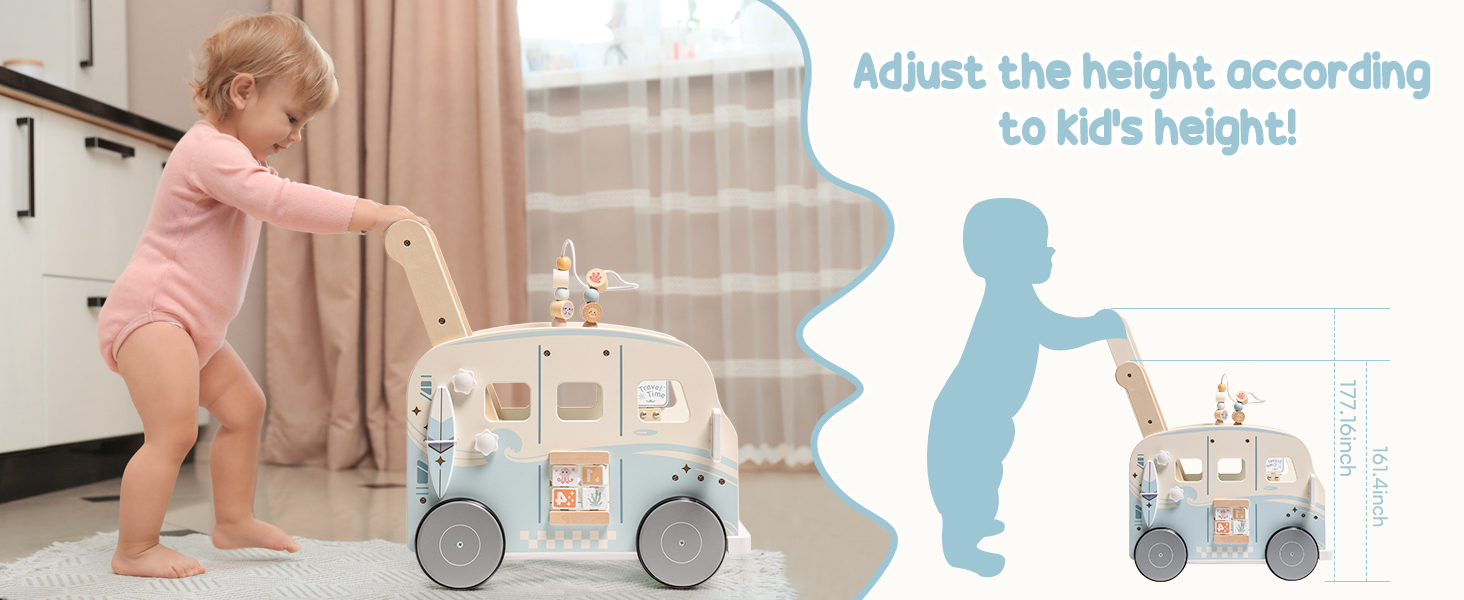
Why Should You Consider the Robud Baby Push Walker?
If you're looking for something other than a standard baby walker, the Robud Push Walker is a great option. This walker is for babies who are learning to walk but need support to stay steady. The Robud Push Walker offers the following:
Stability and Security
The sturdy design of this baby walker can help your baby learn to walk properly. The adjustable handles make it easy for your little one to grip and push.
Interactive Features
The walker encourages the development of the baby's motor skills and hand-eye coordination with various toys and features that create a multi-sensory experience.
Adjustable Design
You can easily adjust the height for a comfortable posture and a better fit as your baby grows.
Advantages of Development
The Robud Push Walker helps promote balance, coordination and strength, giving your baby the confidence to take their first steps and inspiring their imagination.
HeThe ROBUD Push Walker is available hereIt's great for preparing your baby to walk with ease and fun.
Conclusion
It's normal for your baby to dislike the walker, but there are many things you can do to improve the situation. Start slowly, adjust the walker, and use plenty of positive reinforcement. If the walker still isn't working, consider alternatives such as push toys, activity tables, or even baby walkers with seats. The key is to find a solution that works for your baby's specific needs at this stage of development.
Remember that every baby is unique and will find the right path to walking when they're ready. In the meantime, please continue to make this a fun, engaging, and pressure-free experience. Let's say you want something reliable, safe, stable, and fun to train with. In that case, we recommend the Robud Baby Push Walker for a smooth transition to walking.
